Let's be real about what stress does to desire
Stress doesn't just make you tired. It literally flips a neurological switch that kills arousal. Your brain releases cortisol, your nervous system stays in fight-or-flight mode, and your body decides that pleasure is a luxury it cannot afford. The result? You feel nothing. Or worse, you feel guilty for feeling nothing.
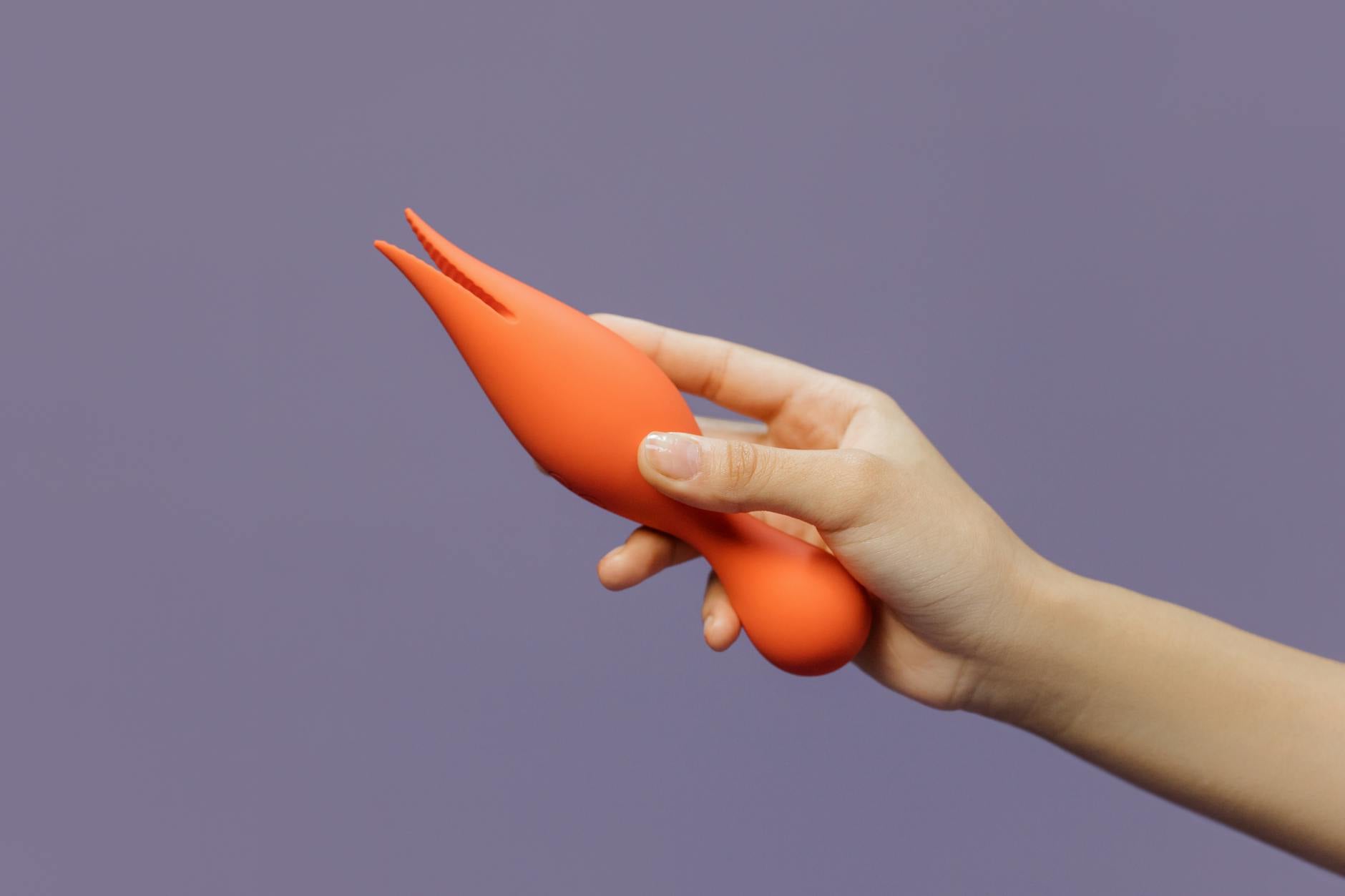
Here's the thing most people don't understand. That dead, flat feeling isn't a sign that desire is gone for good. It's your nervous system in protective mode. And that's actually fixable. Lemon clitoral vibrators work particularly well when stress has dampened sensation because they bypass the need to "work up" arousal. They deliver sensation directly, which can help interrupt the stress cycle and remind your body what pleasure even feels like.
Why stress actually shuts down arousal
When you're chronically stressed, your sympathetic nervous system (fight-or-flight) dominates. Your parasympathetic nervous system (rest-and-digest) gets pushed to the background. Arousal requires the parasympathetic system to be activated. No rest state, no arousal.
This is why people often say they have zero desire during high-stress periods. It's not psychological weakness. It's neurobiology. Your brain is literally prioritizing survival over pleasure, and that's the correct evolutionary response. But once the stress persists, the system gets stuck. Your body forgets how to flip back into pleasure mode on its own.
Lemon suction vibrators matter here because they provide external stimulation that can initiate arousal without requiring your brain to generate it internally. For many people under stress, that external trigger is the permission slip their nervous system needs.
The stress-desire disconnect
Most couples trying to reconnect during stressful seasons make the same mistake. They assume that better sex will fix the stress, so they try harder in the bedroom. That backfires spectacularly because it adds performance pressure to an already overloaded nervous system.
What actually works is the opposite. You remove the expectation of arousal and instead use lemon vibrators as a sensory reset. Not as a way to have an amazing orgasm, but as a way to remind yourself that pleasure is still possible. That's a completely different goal, and it changes how you approach the experience.
Step one: Shift your goal from orgasm to sensation
This is the most important move. When stress has killed your desire, trying to reach an orgasm will feel like a chore. Orgasm isn't the point. Breaking the numbness is.
Set aside 15 minutes. Not an hour of "quality time." Fifteen minutes is realistic when life is chaos. No pressure to orgasm. No pressure to feel aroused. The goal is simply to feel something. Anything.
Use your lemon vibrator on the lowest setting. Explore how different speeds feel on different parts of your body. Some people find that suction vibrators feel better on the clitoris itself, while others prefer them on the surrounding tissue. Stress has a way of narrowing sensation to almost nothing. The point of this step is to wake the nervous system back up through exploration, not through goal-oriented stimulation.
Many people report that the first time they use a lemon clitoral vibrator during a stressful period, they feel almost nothing. That's normal. Your nervous system is still in fight mode. Do it again the next day. The second time, you'll likely feel a bit more. By day five, something shifts. Your body starts to remember.
Step two: Create a stress buffer before pleasure
This is where most people fail. They try to go from "drowning in work email" straight to "using a vibrator" and wonder why it doesn't work. Your nervous system needs a transition.
Twenty to thirty minutes before you want to use your lemon vibrator, do something that activates your parasympathetic nervous system. Take a warm shower. Do ten minutes of gentle stretching. Listen to a song you love. Drink tea. Read something funny. The specific activity matters less than the fact that you're signaling to your body that you're moving out of survival mode.
When stress is high, this buffer is non-negotiable. It's not indulgent. It's the scaffolding that makes pleasure physiologically possible.
Step three: Lower the stakes on what "using a vibrator" means
When desire is low, the cultural narrative around vibrators is all wrong. You're supposed to be using them to achieve intense, mind-bending orgasms. But when stress has tanked your libido, that's an impossible standard. You'll just feel worse when you can't hit it.
Reframe it. You're not "using a vibrator for pleasure." You're doing a sensory experiment. You're gathering data on what your body can feel. The lemon clitoral vibrator is a tool for exploration, not a performance device.
Some sessions, you'll feel pleasure building. Some sessions, you'll feel absolutely nothing and you'll stop after five minutes and that's fine. The goal is consistency, not intensity. Using your lemon sucker twice a week during stressful periods is more valuable than waiting for the "perfect moment" when you feel energized enough to really go for it.
Step four: Tell your partner (or don't)
If you're in a relationship, there's a decision to make here. Do you want to involve them, or do you want this to be your own sensory recalibration?
Both are valid. If you involve them, keep it simple. "I'm stressed and desire is flatlined. I want to use my lemon vibrator to reconnect with sensation. I'm not trying to have penetrative sex. I'm not expecting to orgasm. I just need to feel something." This reframes the whole thing away from performance and toward simple nervous system recovery.
If you want to keep it solo, that's equally fine. Solo pleasure during stressful periods isn't a sign of relationship trouble. It's a way of managing your own nervous system without the added emotional labor of involving another person.
Many couples find that once desire starts returning through solo use of lemon vibrators, they naturally want to reconnect with partners. The reverse rarely works. Trying to force partner sex when your nervous system is fried usually just kills desire further.
The timeline you should expect
This is where patience matters. Don't expect a lemon clitoral vibrator to instantly resurrect your libido if you're under intense stress. That's not how neurobiology works.
Week one: You'll likely feel less than usual. Your nervous system is still skeptical.
Week two to three: You'll start noticing sensation returning. Maybe not arousal yet, but a spark of something.
Week four to six: Desire begins rebuilding if the stress level is dropping simultaneously. If stress stays high, this plateau will hold.
If nothing shifts after six weeks and your stress level hasn't changed, that's information. It means the stress is too acute and your nervous system needs more support than sensation alone can provide. That might mean therapy, it might mean a real conversation about workload, it might mean medication. Lemon vibrators are a tool, not a solution for clinical-level burnout.
Why lemon vibrators specifically work better for stress-dampened desire
Compared to other clitoral vibrators, lemon suction devices work well during stress for a few reasons. First, suction creates a different sensation than traditional vibration. It's often more diffuse and less intensity-dependent. You don't have to work as hard internally to feel it.
Second, they tend to feel good even at lower power levels. When desire is low, high-intensity vibration can feel almost painful. A lemon vibrator on pattern one can deliver pleasant sensation without feeling aggressive.
Third, the sensation of suction often feels more grounding and present than vibration alone. During stress, your mind is usually scattered. Suction tends to pull attention back into your body in a way that helps interrupt the rumination cycle.
That said, the best lemon vibrator is the one you'll actually use. If you prefer a different style, use that. The principle is the same.
FAQ: Using Clitoral Vibrators When Stress Has Flatlined Desire
How often should I use a lemon vibrator when stress has killed my desire?
Two to three times per week is the sweet spot. More often can start to feel like another obligation, which defeats the purpose. Less often won't give your nervous system enough consistent signaling that pleasure is still available. Consistency matters more than frequency when you're rebuilding sensation.
Can stress-related low desire permanently damage my ability to orgasm?
No. Desire is suppressed, not destroyed. The neural pathways for pleasure are still there. Once your nervous system gets enough evidence that the acute threat is passing, arousal comes back. Sometimes it takes weeks or months, but it returns. Using lemon clitoral vibrators during this recovery period actually accelerates the process because you're providing regular sensory input that says "pleasure is possible again."
Should I tell my doctor if stress has completely killed my desire?
If it's been more than two months and nothing is shifting, yes. Low desire can also signal depression, thyroid issues, or medication side effects. You want to rule those out. But simple stress-related desire loss usually doesn't need medical intervention. It needs nervous system recovery, which is exactly what lemon vibrators help facilitate.
What if my partner thinks using a vibrator means they're not enough?
That's a separate conversation that has nothing to do with vibrators. If you're under stress and desire is low, adding performance pressure from a partner will make it worse. The conversation isn't "I need a vibrator because you're inadequate." It's "My nervous system is fried and I need to do some sensory recovery work. This helps me rebuild desire, which benefits both of us." If your partner genuinely cannot accept that, that's a relationship issue worth exploring with a therapist, not a vibrator issue.
Can I use lemon vibrators while still in a high-stress period?
Yes, absolutely. You don't have to wait for stress to disappear. In fact, using them while stress is still present can actually help you manage it better. Pleasure is a nervous system reset tool. Even brief moments of pleasure during a stressful period can give your body permission to drop the fight-or-flight response, even temporarily. Just don't expect massive desire rebuilding until stress levels genuinely drop.
If stress killed my desire, will using a lemon sucker fix it?
It will help, but it's not a solo solution. A lemon vibrator is one tool in a larger toolkit. You also need to address the actual stress if possible, work on the nervous system regulation outside of pleasure (sleep, movement, breathing), and potentially talk to someone about the stress itself. The vibrator handles the sensation piece. You handle the stress piece. Together, they work.
What to do right now
If stress has flattened your desire, start small. Use your lemon vibrator once this week with zero expectations. Not to orgasm. Not to "get things going." Just to feel sensation. Notice what happens. Usually, that one session breaks the ice enough that you're willing to do it again.
If you don't have a lemon vibrator yet, the investment is worth it. They're durable, intuitive, and specifically designed for clitoral pleasure in ways that work even when arousal is low.
Most importantly, give yourself permission to rebuild desire slowly. Stress-related desire loss is a symptom of a nervous system that's protecting itself. Your body isn't broken. It's doing exactly what it's supposed to do. Using lemon clitoral vibrators helps convince your nervous system that pleasure is safe again, one session at a time.