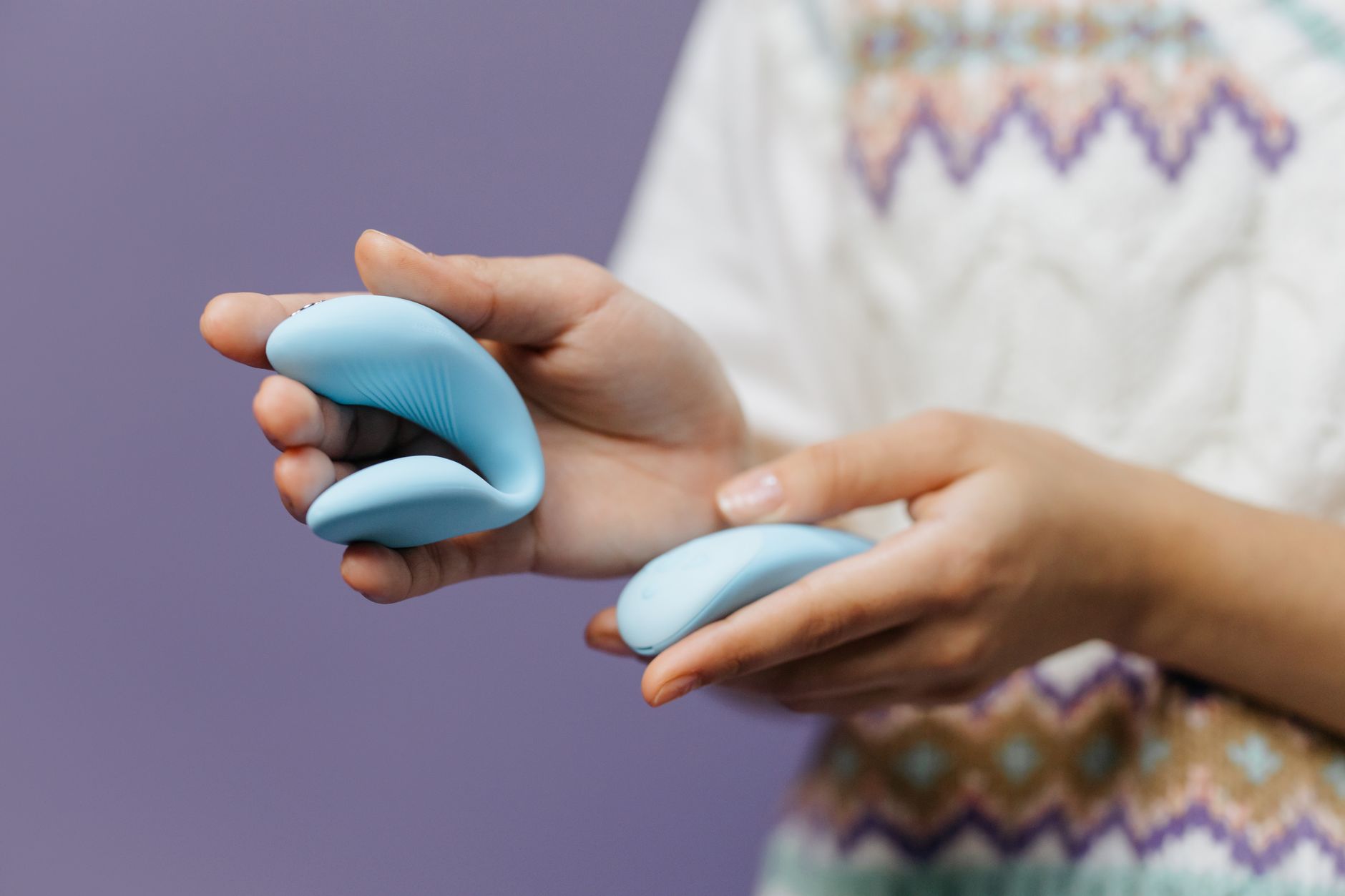
The inconsistency nobody talks about
Let's be real. Lubrication isn't a faucet you turn on and leave running. It rises and falls during a session. Sometimes you start wet and dry out halfway through. Other times you need a minute to get going. This isn't a failure of your body. It's completely normal, and it affects how any vibrator, including lemon sexual toys and lemon clitoral vibrators, feels against your skin.
The problem is that most vibrator guides assume consistent lubrication. They don't address what to do when that assumption breaks down. So you're left troubleshooting mid-session, which kills the mood and makes you question whether the toy itself is the issue. It usually isn't.
Why lubrication shifts during use
Three things are happening simultaneously when you're using a lemon vibrator.
1. Friction generates heat. Vibration creates microscopic movement against tissue, which warms the area. Warmth can increase lubrication temporarily, but sustained friction also causes evaporation. If you're going for 15 minutes straight without adjustment, you're fighting physics.
2. Arousal isn't linear. Mental state, breathing, what you're thinking about, interruptions, physical discomfort. All of these shift your parasympathetic nervous system state, which directly controls blood flow to genital tissue and lubrication production. A stray thought about work isn't weakness; it's just how attention works.
3. Your toy's material matters. Silicone is porous at the microscopic level. It absorbs and holds moisture differently than glass or metal. A lemon vibrator's smooth silicone surface can actually hold a thin film of lubrication longer than you'd expect, but only if you're using the right kind of lube.
Understanding this prevents you from blaming yourself or the toy.
The lubrication hierarchy for clitoral vibrators
Not all lubes work the same way with lemon toys and clitoral vibrators, and some actively dry you out faster.
Water-based lubrication (the gold standard for silicone toys). Water-based lubes absorb into tissue slightly, which means they feel wet but also stay where you put them. They're easy to reapply mid-session because they don't build up or feel sticky. They're also the cheapest option. The downside: they do dry out, especially in warm rooms or during longer sessions.
Silicone-based lubrication (premium option, with a catch). Silicone lube feels incredibly slick and lasts longer than water-based. The problem: it will damage silicone toys over time. If you're using a lemon vibrator or any silicone-based toy, silicone lube is off the table. Full stop.
Hybrid lubrication (water plus silicone blend). These try to get the best of both worlds. They feel slicker than pure water-based but won't damage your toy. They dry out slower than water-based alone, but faster than pure silicone. If inconsistent lubrication is your main issue, a quality hybrid lube will genuinely extend your session comfort.
Natural lubrication alone (when it's enough). If you have consistent, abundant natural lubrication, great. But if you're using this article, you probably don't. That's normal. Adding external lubrication is a tool, not a sign something's wrong.
Practical adjustments for fluctuating wetness
Here's what works in real sessions with lemon vibrators and other clitoral toys.
Lower your intensity early. Start at pattern one or two, not pattern three. Lower vibration frequencies require less lubrication to feel good. Once you're more aroused (which builds more natural lubrication), you can increase the intensity. This also prevents the friction-and-drying cycle that happens when you jump straight to high intensity.
Build in pauses. This isn't backing off; it's pacing. Use the vibrator for two to three minutes, then pause for 30 seconds while you breathe, enjoy the sensation settling, or add more lube. This rhythm actually intensifies sensation because it prevents overstimulation and gives tissue time to produce more lubrication. It also breaks the heat-friction-evaporation loop.
Reapply lube before you need it. Don't wait until things feel dry. When you're at about 70% of where you want the lubrication level to be, add more. This keeps sensation consistent without jarring interruptions. Keep your lube bottle within reach so it's a five-second addition, not a mood-killer.
Switch positioning or angle. If you're using the lem vibrator or any lemon clitoral vibrator against the clitoris directly from one angle, slight friction patterns build. Shifting the angle slightly, or moving from direct contact to stimulating the area around the clitoris (just as effective, often more comfortable), changes the friction dynamic. You're not being indecisive. You're adapting.
Use a hand alongside the vibrator. This isn't a failure of the toy. Your hand can provide additional lubrication contact, adjust pressure in real time, or hold the toy steady while you control your own movement. Some people find that combining hand and vibrator actually solves lubrication issues because you have more sensory feedback and control.
When inconsistent lubrication signals something else
Most fluctuation is normal physiology. But sometimes it points to something worth checking.
Medication-related dryness. Antihistamines, SSRIs, hormonal birth control, and blood pressure meds all reduce lubrication. If you started something new and noticed a shift, mention it to your doctor. Switching timing (taking your med at night instead of morning) or switching medications can sometimes help. A menopause-trained gynecologist can also discuss topical estrogen creams if hormonal changes are the culprit.
Dehydration. Drink more water. It sounds absurdly simple, but most people are mildly dehydrated most of the time. Lubrication is a body-wide fluid system. Improve hydration, improve lubrication.
Stress or anxiety. Your nervous system controls this. When you're in fight-or-flight, blood diverts from your genitals. This is why sessions after stressful days feel different. Breathing exercises, meditation, or working with a therapist on anxiety patterns can help more than any tool can.
Allergies or irritation to lube. Some people react to common lube ingredients like glycerin or propylene glycol. If dryness is paired with itching, burning, or redness, try a simpler lube formula or switch brands. Your body will tell you.
If you're consistently unable to produce any lubrication despite hydration and addressing stress, talk to a doctor. It's not shameful. It's treatable.
The lemon vibrator advantage with variable lubrication
This is where lemon sexual toys actually shine compared to traditional vibrators. The suction mechanism means you're not relying on consistent friction. Suction stimulates the clitoris through gentle pressure and release, which requires less sustained lubrication contact than a standard vibrator. You can use a lemon clitoral vibrator with light to moderate lubrication and still get intense sensation because the mechanism isn't friction-dependent.
If you're dealing with inconsistent lubrication, this is legitimately why people switch to a lemon vibrator or lem vibrator. The physical mechanism of the toy itself works better with variable wetness.
Adjusting expectations during longer sessions
If you're aiming for 20, 30, or 45-minute sessions, plan for lubrication management. Have your chosen lube within arm's reach. Budget two or three reapplications. Take breaks not as failures but as necessary rhythm. Many people find that breaking a long session into two 15-minute blocks with a few minutes between actually results in more intense, satisfying experiences than one long push.
This isn't a workaround. This is how longer intimate sessions work for most bodies.
Frequently asked questions
Why does my lubrication decrease faster with vibration than without?
Friction combined with vibration generates heat more efficiently than static friction alone. Heat increases evaporation. Additionally, the micro-movements from vibration can create tiny capillary action that pulls moisture away from the surface. Lower intensities, regular breaks, and hybrid lubes all reduce this effect. You're not doing anything wrong. Your body is just responding to physics.
Can I use saliva as lubrication with a lemon vibrator?
Saliva works temporarily, but it dries quickly and doesn't have the staying power of a quality lube. It's fine for foreplay, but for sustained vibrator use, a water-based or hybrid lubricant designed for this purpose will keep you more comfortable and make the toy easier to clean afterward. Saliva can also introduce bacteria into silicone's porous surface if not thoroughly cleaned.
Does inconsistent lubrication mean I'm not aroused enough?
No. Lubrication is affected by hydration, medications, hormones, stress, time in your cycle, and a dozen other factors outside arousal. You can be intensely aroused and still experience fluctuation. You can also have abundant natural lubrication and still benefit from additional lube for extended sessions. Lubrication and arousal are related but not identical.
Should I switch vibrators if lubrication is inconsistent?
Not necessarily. Before switching toys, try the adjustments in this article: lower intensity, pauses, consistent lube reapplication, and angle changes. A lemon vibrator's suction mechanism does handle variable lubrication better than friction-based vibrators, so if you're shopping, that's worth considering. But odds are your current toy can work with some technique adjustment.
Is it normal for lubrication to increase and decrease within one session?
Completely normal. Your autonomic nervous system shifts your parasympathetic state based on focus, breathing, thought patterns, and physical sensations. This directly affects blood flow and lubrication. It's not a sign something's wrong. It's actually a sign your body is responding dynamically to what you're doing.
What's the best lube for longer vibrator sessions?
A quality hybrid lube (water and silicone blend) gives you the slip of silicone-based lubes with the safety of water-based. If budget is a concern, a good water-based lube with regular reapplication (every three to five minutes during extended use) works well. Test a few and find what feels best on your skin and what lasts long enough for your typical session length.
The real takeaway
Inconsistent lubrication during vibrator use isn't a problem to fix. It's a normal variation to manage. With the right lube choice, a lemon clitoral vibrator's suction mechanism, pacing adjustments, and realistic expectations about reapplication, you can have satisfying sessions regardless of how your body's lubrication naturally fluctuates. Your body isn't broken. You just needed a clearer roadmap.
If you're still troubleshooting after trying these techniques, or if lubrication changes feel tied to a medication or health change, talking to a gynecologist is the next smart step. Otherwise, grab some quality lube, set a realistic session pace, and trust your body's variations.