The fade is so real, and nobody talks about it
Here's the thing about long-term desire. It doesn't vanish because something is broken. It fades because routine hollows out novelty, stress stacks on top of stress, and somewhere between the mortgage, the kids, the work emails, the household logistics — the part of you that once grabbed your partner at 11 p.m. just stops showing up.
That's not a failure. That's entropy. And entropy, unlike heartbreak, is fixable.
What actually happens to desire after years together
I work with couples in their 30s, 40s, 50s, and beyond. The patterns are consistent. Around year three to five, the neurochemical high of new partnership wears off. That's not sad; that's human biology. Dopamine spikes from novelty drop. Oxytocin (the bonding hormone) settles into a steady baseline. Neither partner feels the spark they once did, and both assume the other person has moved on or stopped finding them attractive.
Meanwhile, life has accelerated. Work demands more. Kids need more. Sleep debt accumulates. By the time you're alone with your partner, you're running on fumes.
The brain isn't interested in sex when it's managing threat. And exhaustion, financial stress, and unresolved conflict all read as threat.
But here's what research consistently shows: the capacity for pleasure doesn't disappear in long-term couples. Access to it does. The pathways get rusty. Attention shifts. And sensations that once felt automatic become something you have to deliberately create space for.

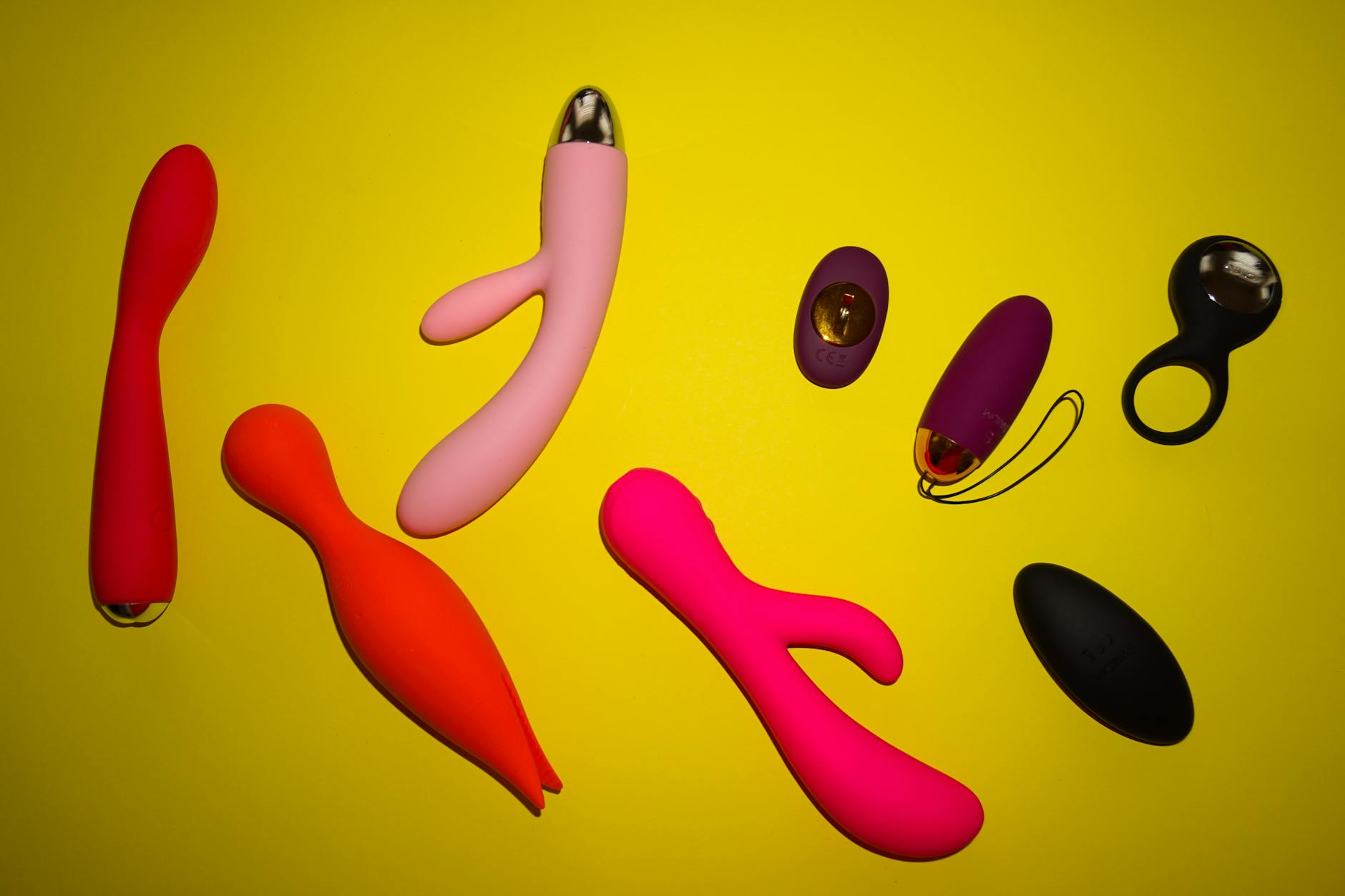
Photo by Ihsan Adityawarman on Pexels
Why lemon vibrators work for couples stuck in the fade
Lemon clitoral vibrators, specifically the air-suction design that defines the Lem, approach the problem from a different angle than traditional vibration. They don't feel medical. They don't require the same mental bandwidth as negotiating partnered sex. And they're not a commentary on "what's wrong" with your body or your relationship.
They're a tool for sensation itself.
When desire has been dormant, the nervous system needs a different signal than "we should have sex." A lemon clitoral vibrator creates that signal without judgment. It's low stakes. It's just you rediscovering what feels good, not a performance for your partner, not a fix for a broken marriage, not proof that you still love each other.
Just pleasure.
The suction mechanism of the Lem works particularly well for this because it's gentler than friction-based vibration. After years of reduced sexual activity, nerves can feel oversensitive to direct stimulation. Suction stimulates more broadly and distributes pressure differently. It often feels novel because it's not what you've been using for the past decade.
That novelty matters. It actually resets some of the neural patterns that make long-term sex feel automatic or numb.
The permission structure matters more than the toy
Listen, I've had clients tell me that just buying a lemon vibrator and setting it on the nightstand changed their entire marriage. Not because of the toy itself. Because it was a signal: "We're allowed to want this. We're allowed to experiment. We're allowed to not be in a crisis to prioritize pleasure."
That permission structure is half the work.
With long-term partners, you've often built such a solid "we're a team managing responsibilities" dynamic that pleasure feels selfish or awkward. Introducing a tool shifts that. It's no longer about him or her feeling rejected or pressured. It's about both of you saying, "Yeah, let's try something different."
When you bring a lemon clitoral vibrator into the bedroom as a couple, frame it that way: not as a problem-solver, but as a permission slip. "I want to feel good again. And I want you to know I'm interested in that."
That statement, alone, often rekindles more than the toy ever could.
How to actually introduce it (without it being weird)
The awkwardness usually lives in the silence before the conversation, not the conversation itself. Here's a low-pressure approach.
First, you don't need to make it a big talk. Bring it up casually when you're not in bed. "Hey, I've been thinking about trying a vibrator. Specifically, I've heard good things about lemon clitoral vibrators. Would you be okay with that?" Most partners will say yes because you've given them agency and you're not asking for anything from them.
Order it. Let it arrive. Don't hide it. Set it on the nightstand like it's a normal thing, because it is.
The first time you use it solo, actually enjoy it. Take time. Don't rush through it thinking about your partner or the fact that you "should" be using it with them. That's when you actually rewire your nervous system back to pleasure.
When your partner eventually asks about it (or you invite them to join), you can describe what it actually felt like. Not in a clinical way. Just honest: "It felt different. Good. Less pressure than usual." That specificity often makes the transition from solo to partnered feel less scary.
If you want to use it together, here's the approach
Most long-term couples have some version of predictable partnered sex. Position, rhythm, duration, ending. A lemon clitoral vibrator interrupts that script in the best way.
It can go between you during penetration. Or you can use it on yourself while your partner is inside you, or watches, or both. Or you skip penetration entirely and just focus on the stimulation from the vibrator while your partner does something else. The script doesn't matter. The point is you've changed variables.
That change alone — even if nothing else about the encounter differs — wakes something up.
Many couples find that introducing a lemon vibrator actually makes them more communicative. "Does this angle feel better?" "Do you want me to try a different setting?" Those questions are foreplay because they're about genuine curiosity, not assumption.
The reality about desire returning
I want to be honest: a vibrator won't save a marriage that's fundamentally broken. If there's resentment or betrayal or contempt between you, pleasure is not the entry point. That's therapy work.
But if you're in a solid partnership that's just... quiet. That's lost the sexual thread but hasn't lost the connection. A lemon clitoral vibrator can be the thing that signals to both of you that pleasure is still available. That you're still available to each other.
When desire returns in long-term couples, it's rarely the explosion it was at the beginning. It's steadier. It's rooted in knowing each other. And often, it's deeper because there's actual history underneath it.
Using a lemon vibrator as a couple isn't about recapturing youth. It's about remembering that your body is a source of joy, not just a vehicle for managing responsibilities. And that your partner is a source of companionship and pleasure, not just a logistics co-pilot.
What to expect in the first few weeks
First week: you'll feel a little self-conscious, probably. That's normal. Second week: you might actually feel arousal return, and it'll surprise you. By week three, if you've given it consistent attention, you'll likely notice your baseline desire shifting. You'll think about it during the day. You'll feel more interested in your partner.
That's not magic. That's what happens when you tell your nervous system that pleasure is safe and available.
The other thing that happens: you often start having better conversations. Not necessarily about sex. Just more genuine ones. Because you've opened a door to vulnerability and want, and vulnerability is contagious.
FAQ: Long-term couples and clitoral vibrators
Do I need to use a lemon clitoral vibrator if my partner is uncomfortable with toys?
Your pleasure is not dependent on your partner's comfort. That said, discomfort is often about fear or insecurity, not actual objection. When partners resist vibrators, it's usually: "Am I not enough?" Address that directly. Tell them what a lemon vibrator actually does for you, and tell them how they still fit into the picture. Solo use, by the way, is always an option while you work through his concerns.
How often should we use lemon vibrators if we're trying to rebuild desire?
There's no prescription. I recommend at least once or twice a week for the first month, whether solo or partnered. That frequency signals to your nervous system that pleasure is a priority. After a month, it becomes part of your rhythm naturally. The goal isn't dependency on the tool; it's rebuilding your relationship with sensation.
Can lemon vibrators actually help if my partner and I are in different places sexually?
Absolutely. Mismatched desire is one of the most common issues in long-term partnerships. A lemon clitoral vibrator can actually help because it removes the pressure from your partner to be the sole source of your pleasure. When that pressure lifts, partners often feel more relaxed and interested. It's counterintuitive, but depressurizing desire usually increases it.
What if we've been using traditional vibrators for years and nothing's changing?
Try a different sensation. The suction-based mechanism of a lemon vibrator (or products like it) feels fundamentally different from vibration. That difference can actually wake up neural pathways that have gone dormant from repetition. If you've been using the same vibrator for a decade, switching tools isn't failure; it's smart.
Is it normal for desire to take time to rebuild?
Yes. Your nervous system didn't lose interest overnight, so it won't regain it overnight either. Give it three to six weeks of consistent attention before you decide whether something is working. That timeline allows for genuine neurochemical and relational shifts.
What if neither of us is interested in trying again?
That's worth exploring with a therapist, because that shutdown often points to something beyond low libido. It could be resentment, grief, disconnection, or burnout. A vibrator isn't the fix for that. Professional support is.
The actual goal here
I'm not telling you that a lemon clitoral vibrator will save your relationship. I'm telling you that when you've been together for years and intimacy has faded, one of the most effective first steps is to separate the idea of "we need to fix our sex life" from "I want to feel pleasure again."
A lemon vibrator does that separation for you. It's not about him. It's not about her. It's not about "us." It's about rediscovering what your body actually wants when it's given space and permission.
And that, almost always, shifts everything else.
If you're feeling stuck in the fade, or you've been thinking about trying something new but weren't sure where to start, reach out. I work with couples on these transitions, and there's no shame in wanting guidance. You can get in touch here, and we can figure out what makes sense for your specific situation.