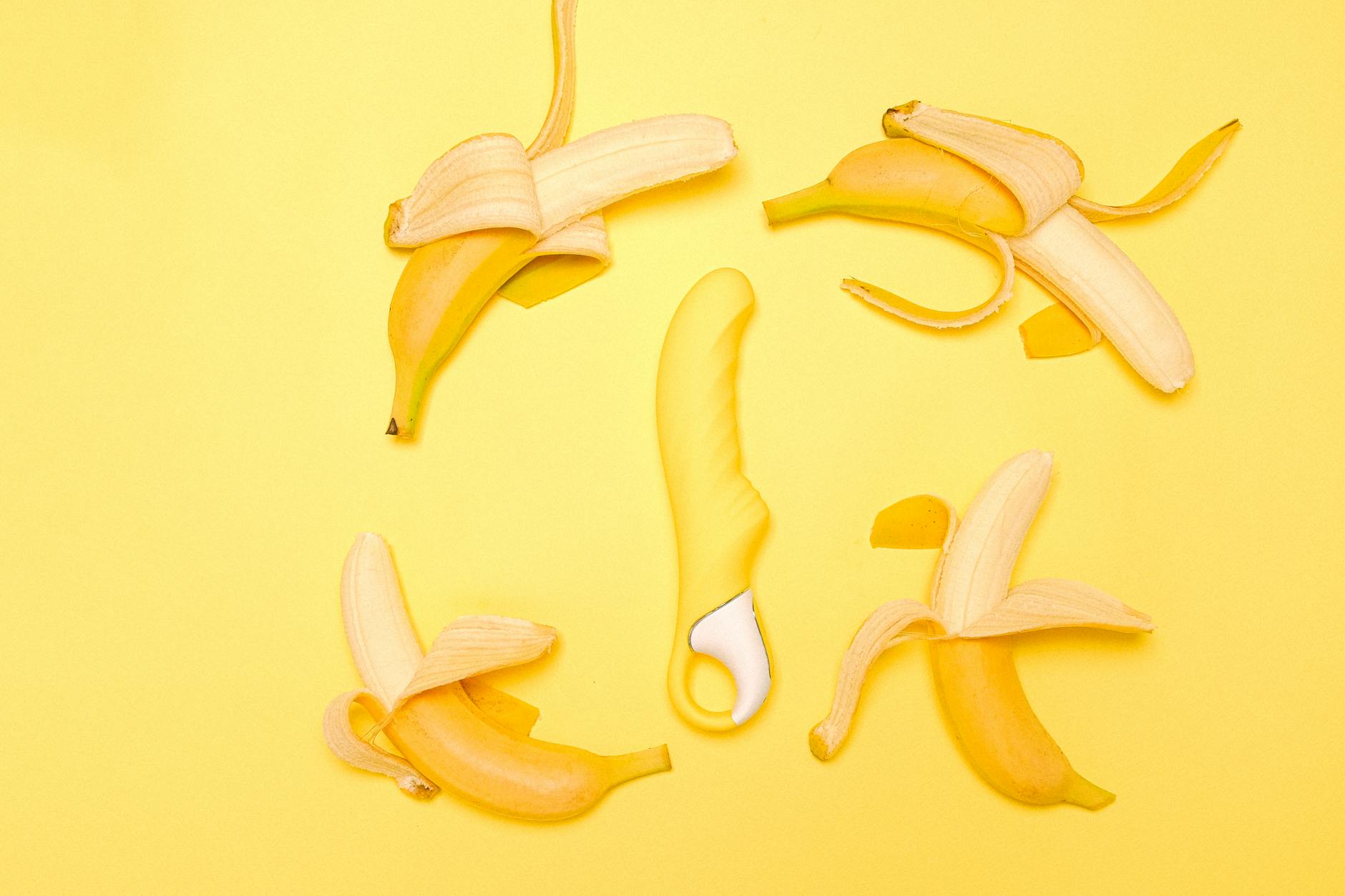
How to Use Lemon Clitoral Vibrators When Pain Medication Numbs Your Sensation
Let's be real: pain medication saves lives. It also takes something you didn't expect it to take. Opioids, gabapentin, pregabalin, and even some antidepressants prescribed for chronic pain don't just dull pain. They numb sensation everywhere, including places you want to feel.
This is not a reason to stop taking your medication. It's a reason to know what's actually happening physiologically so you can work around it instead of giving up on pleasure entirely.
How pain medication flattens sensation
Opioids work by binding to opioid receptors throughout your nervous system. That includes the receptors in your genitals. The result is predictable: reduced nerve firing, slower arousal, and a muted orgasm response that can feel like you're experiencing pleasure through a thick fog.
Nerve blockers like gabapentin and pregabalin work differently but with similar sexual side effects. They quiet hyperactive nerves, which is why they're prescribed for neuropathy and fibromyalgia. But quieting nerves everywhere means quieting the ones responsible for sexual sensation too.
Here's what makes this particularly frustrating: the medication is working correctly. Your body is doing exactly what it's supposed to do. The numbness is intentional. That doesn't make it easier to accept.
Why lemon clitoral vibrators work better than other tools
When sensation is flattened by medication, friction-based stimulation often feels like nothing. A traditional vibrator running at standard speeds gets lost in the numbness. Lemon clitoral vibrators use air-suction technology instead of vibration alone, which works by a completely different mechanism.
Instead of trying to stimulate through muted nerves, suction creates pressure changes that engage deeper nerve clusters. The sensation isn't subtle—it's distinct and harder for medication to erase entirely. Many of my clients on opioids or gabapentin report that lemon clitoral vibrators are the only device that cuts through the fog.
This isn't about using a stronger vibration. It's about using a different sensation entirely.
Starting over after medication numbs everything
The first thing to accept is that you're not starting from zero. You're starting from a different baseline. Your capacity for pleasure hasn't disappeared. The pathway to it is just temporarily obscured.
Dose timing matters more than you'd think. If you take pain medication on a schedule, consider when you're timing intimacy. Peak numbness usually hits 1-2 hours after you take opioids, then slowly lessens over the next 4-6 hours. Some people find they have a window of slightly better sensation right before their next dose. It's worth tracking.
Combine tools, don't stack stimulation. If you're using a lemon clitoral vibrator, use lube. Not because you need more sensation, but because consistency matters when sensation is flattened. Water-based lube helps maintain contact and pressure without friction fatigue. You're not chasing intensity. You're chasing clarity.
Extended warm-up time is non-negotiable. With medication dulling your nerves, arousal doesn't build quickly. Budget 20-30 minutes before you even think about turning on a device. Your brain still responds to intimacy, emotional connection, and anticipation. Use that.
How to actually use a lemon clitoral vibrator when you're medicated
Start with the suction at the lowest setting. I don't care if it feels weak. Numbness makes people turn up intensity thinking they need more stimulation. Usually they need better stimulation. Low to medium on the suction scale often works better than high when you're on pain medication.
Focus on the suction rhythm, not the speed. The rhythm of pressure changes is what creates sensation, not constant intensity. Vary between steady suction and pulsing patterns. Pay attention to what pattern feels like something versus what feels like nothing. That feedback loop rebuilds your connection to sensation even when medication is dampening it.
One pattern that works well: start with steady suction at level 2, hold for 30 seconds, then switch to a pulsing pattern at level 3 for 30 seconds, then back to steady. This variation keeps your nerves engaged because they're responding to change, not constant stimulation.
Working with your partner during medication and numbness
If you're partnered, this conversation often goes sideways because both people interpret numbness as rejection. "They don't want me anymore" and "I can't feel anything" become the same problem in your head, when they're actually completely separate.
Separate the conversations. "My pleasure response is dampened by medication" is different from "I don't want intimacy with you." One is biochemical. One is relational. Name both.
If your partner wants to be involved, lemon clitoral vibrators actually create space for this. The suction sensation is distinct enough that they can see it working even when your external response feels muted. They can control the intensity, which gives them something to do. They can watch your body's actual response rather than rely on enthusiasm cues that medication has flattened.
This is honestly one of the few times where having a partner involved can rebuild something medication tried to take.
When sensation starts coming back
If your medication changes, gets reduced, or you find a dosage sweet spot, sensation will return gradually. It won't feel like a light switch. It will feel like fog lifting. Some areas will regain sensitivity faster than others. Your clitoris usually comes back to life before deeper tissues do.
When this happens, you might need to adjust your approach. Lemon clitoral vibrators that felt perfect when you were numb might suddenly feel intense. The setting that cut through medication numbness becomes overwhelming when sensation normalizes. This is actually a good sign. It means your nervous system is working again.
Stay with the lower settings as sensation returns. Let your body rebuild its tolerance gradually. Rushing back to higher intensity can honestly feel overwhelming after prolonged numbness.
The bigger picture: numbness is temporary
Pain medication is a tool. It's not permanent. Bodies adapt, dosages change, and sometimes treatments evolve. While you're taking medication that numbs sensation, you're not broken. Your pleasure capacity hasn't vanished. It's just operating under different conditions.
Lemon clitoral vibrators work through these conditions better than most tools because they engage your nervous system differently. They don't fight the numbness. They work around it.
Your pleasure matters, even when medication makes it harder to access. Even when the path to sensation feels foggy.
Frequently asked questions
Can I use a lemon clitoral vibrator safely while on opioids?
Yes. Pain medication doesn't damage your tissues or make vibration unsafe. It just dulls sensation. A lemon clitoral vibrator is as safe on medication as it would be otherwise. What matters is checking your medication's specific side effects with your doctor if you're unsure, and paying attention to any physical pain during use (medication can also mask pain signals, so go slowly).
Does lemon suction sensation feel different on medication than regular vibration?
Completely. Suction engages deeper nerve clusters, which medication often doesn't numb as thoroughly as surface sensation. That's why many people find lemon clitoral vibrators work when standard vibration doesn't. The sensation cuts through the fog.
How long does numbness from pain medication usually last after stopping?
It depends on the medication. Opioids usually clear out within days to weeks of stopping. Gabapentin and pregabalin can take longer, sometimes 2-4 weeks to fully metabolize. Sensation returns gradually, not all at once. Be patient with your body.
Should I tell my partner about the numbness, or is it too awkward?
Tell them. Numbness from medication reads as disinterest if you don't explain it. Your partner might think they're doing something wrong or that you've lost attraction. Clarify that it's purely physiological. Actually, couples who talk about medication side effects often reconnect better because the pressure and guessing lifts.
Can I switch to a different type of vibrator if the lemon clitoral vibrator isn't working?
Maybe. But before switching, try adjusting your approach first. Lower settings, longer warm-up time, and timing around your medication schedule often help more than switching devices. If you've genuinely given it a solid effort over a week or two and it's still not working, then yes, try something different. But most people find the suction technology cuts through medication numbness better than traditional vibration.
What if sensation doesn't come back after I stop medication?
This is rare but possible with some medications, particularly long-term high-dose opioids or certain nerve medications. If sensation doesn't normalize after a month of stopping medication, talk to your doctor. Sometimes medications interact in ways that extend numbness. There are other treatments and approaches your doctor can suggest. You're not stuck with it.
The truth: numbness is treatment side effect, not your new normal
Pain medication does what it's supposed to do. It doesn't get to take pleasure without a fight. Lemon clitoral vibrators, paired with patience and the right approach, help you keep that part of yourself alive even when medication is working overtime to quiet sensation.
Your pleasure matters. Your intimacy matters. Even when the path to both feels harder, it's still there.
Ready to explore what works for your body? Start with our buying guide to find the right lemon clitoral vibrator for your needs, or reach out to us if you have questions about which option might work best while you're managing pain medication.