Let's talk about the timing problem nobody mentions
One partner climaxes and is floating in that post-sex haze, wanting to lie still and exist quietly. The other is already thinking about what's next, or worse, feeling a little let down because the moment ended too soon. Or the reverse. Someone needs recovery time; someone else feels abandoned or rejected. Neither person is doing anything wrong. You're just operating on different timers.
This is not a small incompatibility. It's the kind of thing that, left unspoken, starts to feel like rejection over months. "They don't want me anymore." "They're too demanding." When really, you're just two people whose nervous systems need different amounts of downtime.
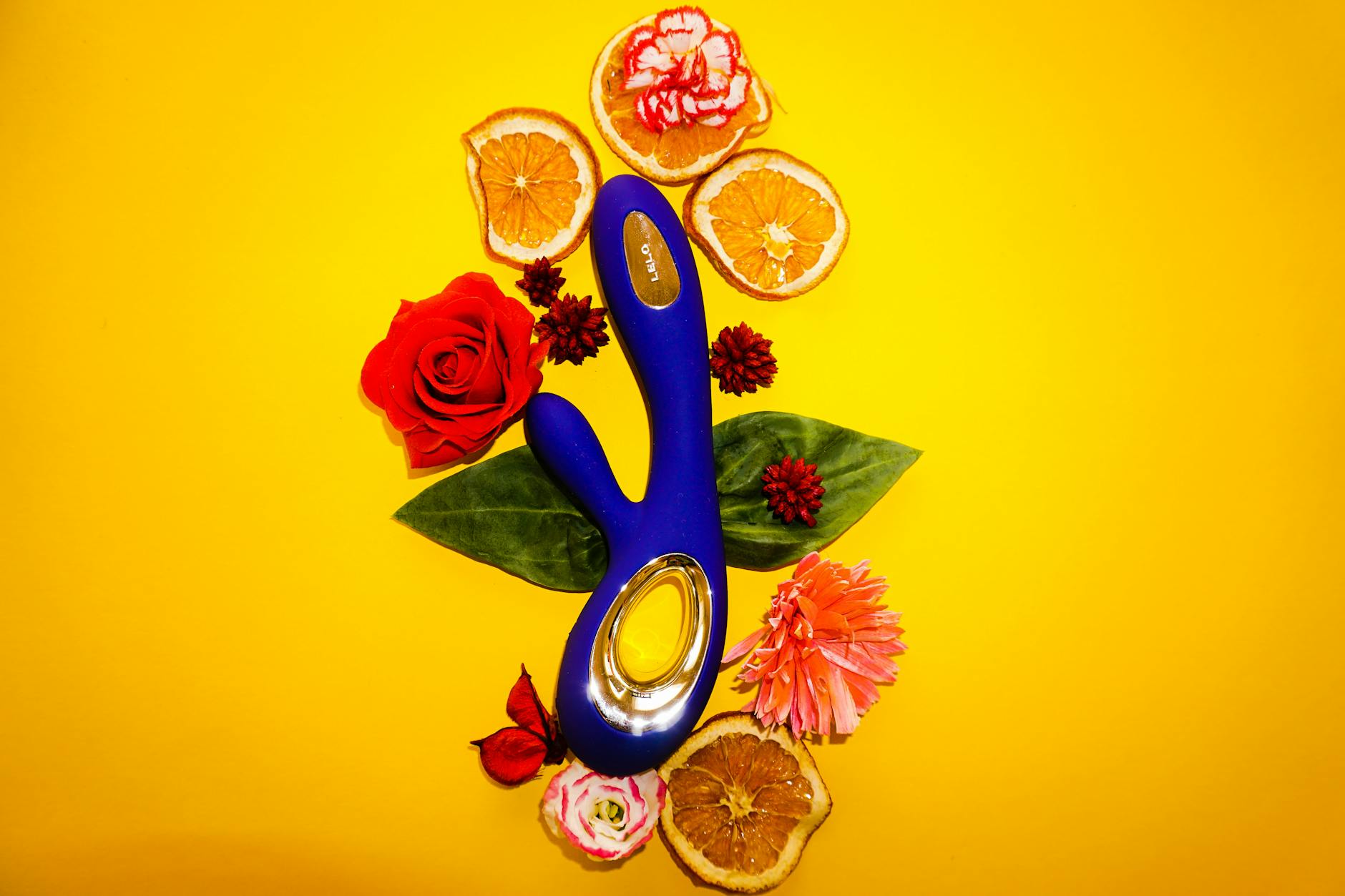
Here's the thing: lemon clitoral vibrators like the ones at Shop Lem Toy actually solve this. Not by making everyone orgasm at the same speed, but by giving the faster-recovering partner something to do that doesn't feel like pressure or performance. And it can feel genuinely good.
The neurochemistry of recovery (why you're so different)
After orgasm, your nervous system has two jobs: it floods you with oxytocin and prolactin (bonding and relaxation chemicals), and it sends you into a refractory period where arousal is either flat or takes time to ramp back up. The length of that refractory period is wildly variable. Some people are refractory for ten minutes. Others for an hour or more. It's not laziness. It's not a sign of lower desire. It's neurology.
Men with penises tend toward longer refractory periods, but that's an average, not a rule. Women can need recovery time too. Partners of any gender mix can experience this mismatch. And here's what makes it tricky: the person who recovers faster often feels responsible for the person who needs more time. Like they should "do something" to entertain them, or perform again, or offer more stimulation. That obligation can kill desire faster than anything.
Meanwhile, the partner in recovery feels guilty for needing space. So you end up with mutual guilt, which is sexy for absolutely no one.
Why lemon sexual toys change the equation
A lemon vibrator like the ones Shop Lem Toy offers gives you a third option that isn't "hurry up and recover" or "one person lies there doing nothing." Instead, the recovering partner can stay present and engaged without the pressure to perform or be aroused. They can touch their partner, guide the vibrator, watch, direct the pace. Or the faster partner can use it on themselves while staying physically and emotionally connected.
The suction-based design of lemon clitoral vibrators means they feel entirely different from penetration or finger stimulation. They're not asking your nervous system to gear up for another orgasm. They're creating a specific kind of sensation that can feel good without demanding arousal in the conventional sense. You can be in recovery mode and still experience genuine pleasure.
That's the gap this solves. Not everyone has to orgasm again. But everyone gets to stay in the experience.
How to introduce this without it feeling awkward
The conversation matters more than the tool. "Hey, I've noticed I need more time to come down than you do, and I wonder if we could experiment with something that keeps us connected during that time" is not a failure of passion. It's the opposite. It's saying, "I like you so much I want to stay close even when my body needs to slow down."
Start by talking about what you each need in that in-between space. One partner might say, "I feel like I'm abandoning you if I'm not doing something." The other might say, "I actually like just touching you and watching, no pressure to perform." Those are two different needs. A lemon vibrator bridges both.
If you're worried it'll feel like a consolation prize, remember this: the recovering partner being involved in their partner's pleasure, without the demand to be aroused themselves, is actually deeply intimate. They get to experience desire on their partner's terms instead of their own nervous system's demand. That's a gift, not a letdown.
The logistics that actually work
Timing matters. Don't introduce a lemon clitoral vibrator during the moment when you're both in the thick of it and trying to figure out something new. Have the conversation first. Try it after you've had a normal session, when you're both relaxed and there's no expectation. Let it feel exploratory, not remedial.
Water-based lube is essential. Recovery time often means less natural lubrication, and a lemon vibrator works best when there's adequate glide. Keep it close so you're not breaking the mood to hunt for supplies.
Communication during is simple: "Does this feel good?" "Do you want me to change the pattern?" "Want me to touch you while I do this?" You're narrating your pleasure, which actually deepens connection. Most couples don't do this. Most couples assume pleasure is silent or obvious. It isn't.
If the recovering partner feels weird about watching, that's normal. Some people find it easier to close their eyes and just feel. Others love the visual element. There's no wrong way. The point is both people stay engaged on their own terms.
When recovery time creates real tension
Sometimes the timing difference reveals something deeper. If the faster partner feels rejected every time they want more, or the recovering partner feels pressured to perform faster, those feelings are valid. A lemon vibrator is a tool, not a therapist. It helps when the mismatch is physical. When it's emotional, you might need to talk to someone like me.
But here's what I often see: once couples solve the logistics problem, the emotional one softens. When nobody has to perform or wait or feel guilty, they can actually relax. And relaxation is where real desire lives.
The bigger picture: pleasure as presence, not performance
Our default sex model is about building toward orgasm as the finish line. Which is fine, but it means one orgasm equals one scene. Done. A lemon vibrator lets you expand that. One person comes. Then you're both still here, still touching, still present. The vibrator just keeps the pleasure going instead of everyone shifting into cooldown mode.
That might sound like I'm trying to sell you something (I'm not, or not primarily). I'm trying to name something that couples rarely admit: sex doesn't have to be about both people reaching the same peak at the same time. It can be about staying together through different rhythms. That's actually more sustainable long-term than the performance model.
FAQ: Timing, Recovery, and Lemon Vibrators
Why do partners have different recovery times?
Recovery speed depends on testosterone levels, nervous system sensitivity, pelvic floor strength, and pure individual neurology. Men with penises tend toward longer refractory periods, but that's broad variation. Women can need just as much time. It's not correlated with attraction or desire. It's like asking why some people fall asleep instantly and others lie awake. It's just how their system is wired.
Will using a lemon vibrator make my partner feel like I'm not satisfied with them?
Not if you frame it correctly. This isn't about their inadequacy. It's about extending intimacy beyond the orgasm. If anything, it signals, "I want to keep feeling connected to you." The recovering partner being involved (watching, guiding, touching) makes it a shared experience, not a solo act. That's deeply intimate.
How long should I wait after my partner has an orgasm before introducing a vibrator?
Wait until their breathing has slowed and they've had a moment to exist in that post-orgasm glow. Two to five minutes is usually enough. You're not rushing them. You're just saying, "I want to stay close." If they want more rest, they'll say so. The beauty of this is there's no performance demand.
Can we use a lemon vibrator while still being physically close?
Absolutely. The recovering partner can lie against you, touch you, guide the vibrator, kiss you. Some couples use it while spooning. Some while facing each other. Some while the recovering partner is just present but not actively touching. All of these deepen connection because you're not splitting into separate "finished" and "still going" energies.
What if one partner feels too sensitive right after, even with a vibrator?
That's about post-orgasm sensitivity, which is real. A lemon clitoral vibrator's suction-based design is actually gentler than direct touch or vibration, so it might work better during that sensitive window than fingers would. But if even that feels like too much, that's fine. Cuddle first. Try the vibrator five or ten minutes later. There's no rule that says you have to do anything immediately.
Does this work if partners orgasm at very different intensities?
Yes. If one partner has intense orgasms that take longer to recover from, and the other has smaller orgasms, the recovery time gap can be huge. A lemon vibrator lets the faster partner explore their own pleasure again without demanding the recovering partner engage in traditional partnered sex. They can be present without performing.
Here's what actually changes
You stop waiting for your partner to be "ready again." You stop feeling guilty for needing time. You stop treating sex like a single-orgasm event where once someone finishes, the scene is over. Instead, you expand what intimacy looks like. Some sessions will have both people orgasming multiple times. Some will have one person's pleasure extending longer than the other's. All of that is fine.
The recovering partner isn't lying there watching. They're participating. The faster partner isn't anxiously trying to figure out what to do next. They're focused on what feels good. You're both still present. You're both still touching. That's the shift.
If you've been dancing around this timing issue for months or years, experiment with it. The tool is just a lemon vibrator. The real work is saying out loud: "I want us both to feel good, even when our bodies need different things." That conversation changes everything.